

Practical Health Tips to Boost Your Well-being
- Aga

- Mar 9
- 3 min read
When your days are packed with meetings, deadlines, and responsibilities, it’s tempting to skip meals or ignore your body’s signals. But taking care of yourself is essential to keep performing at your best. Here are some practical health tips that you can start using today:
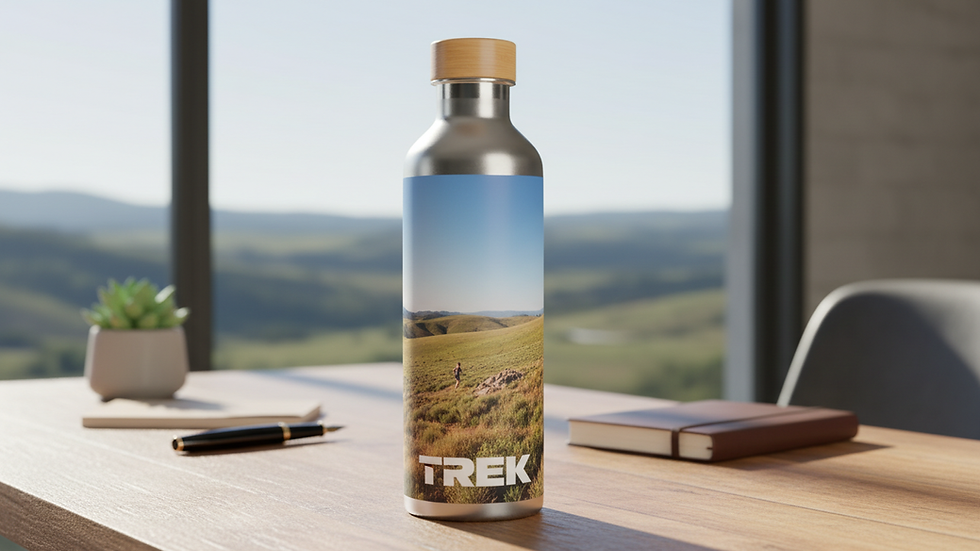
Prioritise Hydration: Drinking enough water is often overlooked. Aim for 6-8 glasses a day. Keep a reusable water bottle at your desk as a reminder.
Move Regularly: Sitting for long hours can harm your posture and energy. Set a timer every hour to stand up, stretch, or walk around for a few minutes.
Mindful Eating: Avoid eating at your desk or while distracted. Take a proper break to enjoy your food, which helps digestion and prevents overeating.
Sleep Hygiene: Try to get 7-8 hours of quality sleep. Create a relaxing bedtime routine and limit screen time before bed.
Stress Management: Incorporate breathing exercises or short mindfulness sessions into your day to reduce stress and improve focus.
These small habits add up. You’ll notice more energy, better mood, and improved concentration.
Nutrition Made Simple for Busy Professionals
Eating well doesn’t have to be complicated or time-consuming. You can fuel your body with nutritious meals even on your busiest days. Here’s how:
Plan Your Meals: Spend a little time each week planning simple meals and snacks. This reduces last-minute unhealthy choices.
Batch Cooking: Prepare larger portions of healthy meals and freeze them in portions. This saves time and ensures you always have a nutritious option ready.
Smart Snacking: Keep healthy snacks like nuts, fruit, or yoghurt handy. Avoid sugary or processed snacks that cause energy crashes.
Balanced Plates: Aim for a mix of protein, fibre, and healthy fats in every meal. For example, grilled chicken with quinoa and steamed vegetables.
Limit Caffeine and Alcohol: Too much caffeine can disrupt sleep, and alcohol adds empty calories. Enjoy them in moderation.
Remember, nutrition is about progress, not perfection. Small improvements can lead to lasting benefits.

Incorporating Movement Without the Gym
Not everyone has time for long workouts or gym visits. The good news is that staying active doesn’t require hours of exercise. Here are some ways to move more during your day:
Active Commutes: If possible, walk or cycle part of your journey to work. Even parking further away or getting off the bus a stop early helps.
Desk Exercises: Simple stretches and seated exercises can improve circulation and reduce stiffness.
Lunchtime Walks: Use part of your lunch break for a brisk walk outside. It refreshes your mind and body.
Standing Meetings: Suggest standing or walking meetings when appropriate. It’s a great way to stay active and boost creativity.
Weekend Activities: Use weekends for enjoyable physical activities like hiking, swimming, or dancing.
These small bursts of movement add up and help counteract the effects of prolonged sitting.
Managing Stress and Mental Well-being
Stress is a common challenge, especially when juggling multiple roles. Taking care of your mental health is just as important as physical health. Here’s how you can support your well-being:
Set Boundaries: Learn to say no and protect your personal time. Avoid checking work emails outside office hours.
Practice Mindfulness: Even 5 minutes of deep breathing or meditation can calm your mind and reduce anxiety.
Connect with Others: Spend quality time with friends and family. Social support is a powerful stress buffer.
Seek Professional Help: If stress feels overwhelming, don’t hesitate to talk to a counsellor or mental health professional.
Engage in Hobbies: Make time for activities you enjoy. They provide a healthy distraction and boost your mood.
Creating a Sustainable Health Routine
The key to lasting health improvements is sustainability. Quick fixes rarely work long-term. Instead, focus on building habits that fit your lifestyle and preferences. Here’s how to create a routine you can stick with:
Set Realistic Goals: Start with small, achievable targets. For example, drink an extra glass of water daily or take a 10-minute walk after lunch.
Track Your Progress: Use a journal or app to note your habits and improvements. Celebrate your wins, no matter how small.
Be Flexible: Life is unpredictable. If you miss a workout or eat something less healthy, don’t be hard on yourself. Just get back on track.
Find Accountability: Share your goals with a friend or join an online community. Support and encouragement make a big difference.
Keep Learning: Stay curious about health and wellness. The more you know, the better choices you’ll make.
By focusing on consistency rather than perfection, you’ll build a healthier lifestyle that lasts.
If you want more tailored guidance, check out this actionable health advice for busy professionals like you.


Comments